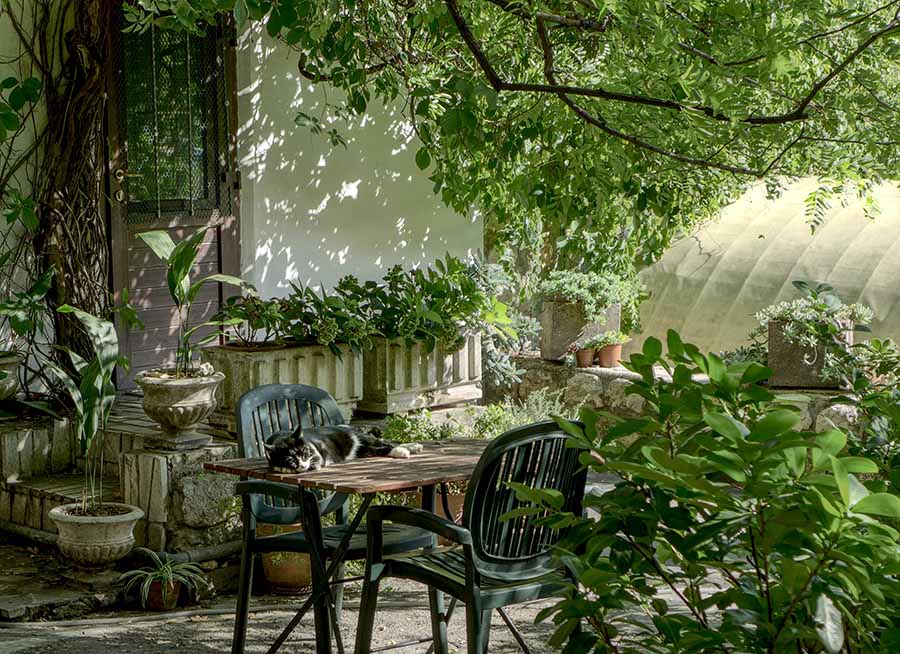


Pet-Friendly Garden Design: Safe and Stylish Outdoor Spaces
Creating a garden that is both beautiful and safe for your pets may seem like a challenge, but with careful planning, you can design an outdoor space that meets the needs of your furry friends while maintaining style and functionality. Whether you have a playful pup, a curious cat, or even rabbits, designing a pet-friendly garden can transform your backyard into a paradise for all.
1. Prioritize Safety First
The foundation of a pet-friendly garden is safety. Consider the following:
- Toxic Plants: Many common garden plants, such as lilies, azaleas, and daffodils, can be harmful or even fatal if ingested by pets. Choose non-toxic alternatives like marigolds, sunflowers, or snapdragons.
- Secure Fencing: Ensure your garden is enclosed with fencing that is high and secure enough to keep pets from escaping. Check for gaps that small animals could slip through.
- Avoid Hazardous Materials: Steer clear of sharp tools, pesticides, and fertilizers that could harm your pets. Opt for organic or pet-safe solutions when possible.
2. Designated Pet Zones
Creating specific areas for pets helps protect both your garden and your furry friends:
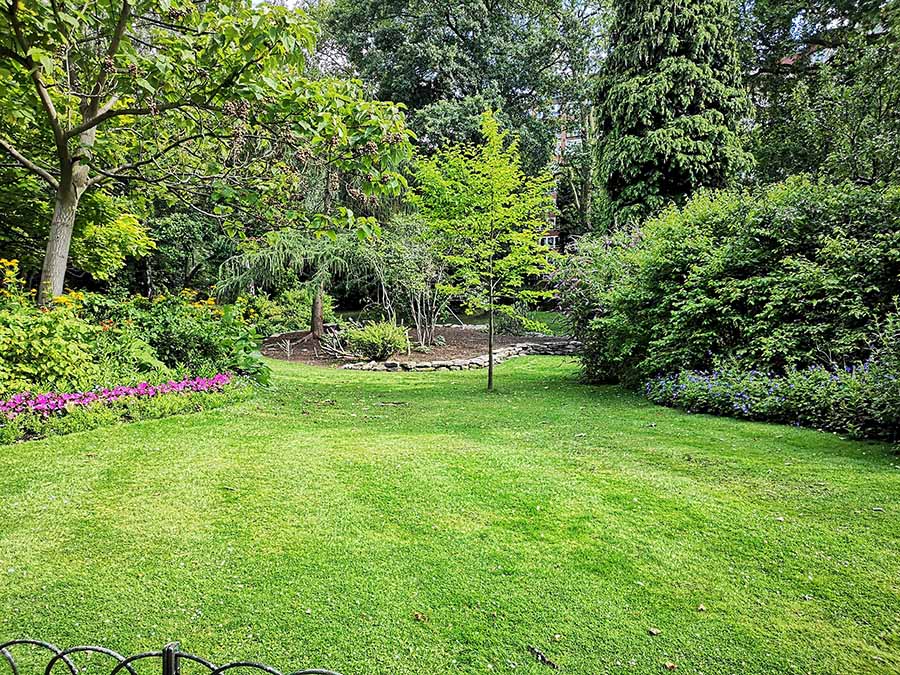
- Play Areas: Install a patch of durable grass or pet-friendly turf where dogs can run and play without damaging delicate plants.
- Digging Zones: If your dog loves to dig, create a sandpit or designated digging spot to redirect their energy away from flowerbeds.
- Shaded Retreats: Provide shaded areas with benches or pet houses so your pets can relax comfortably on hot days.
3. Choose Pet-Friendly Plants
Selecting plants that are safe, sturdy, and enjoyable for pets enhances both style and functionality:
- Durable Grasses: Ryegrass, fescue, or clover are resilient and can withstand the wear and tear of playful paws.
- Herbs for Pets: Catnip, rosemary, and basil can add fragrance, flavor, and safe enrichment for your pets.
- Climbing Plants & Vines: Opt for sturdy, non-toxic vines like passionflower or honeysuckle to add vertical interest without harming your pets.
4. Functional and Stylish Pathways
Paths not only add structure and style to your garden but can also guide pets safely through the space:
- Pet-Friendly Surfaces: Use smooth stones, gravel, or mulch that won’t injure paws or claws. Avoid sharp-edged materials.
- Zoning with Pathways: Paths can separate delicate plant areas from high-traffic zones, keeping pets away from fragile blooms.
5. Incorporate Water Features
Water is essential for pets, but make sure any feature is safe:
- Shallow Ponds: If you add a pond, keep it shallow or include sloped sides for easy access.
- Pet Fountains: Encourage pets to drink fresh water with fountains that circulate and filter water continuously.
6. Provide Interactive Elements
Your garden should stimulate pets both physically and mentally:
- Obstacle Courses: Simple tunnels, ramps, or low fences can encourage exercise and exploration.
- Sensory Gardens: Incorporate plants with interesting textures, scents, and colors to engage pets’ senses.
7. Regular Maintenance
A pet-friendly garden requires routine care to remain safe and attractive:
- Clean Up: Remove fallen fruits, leaves, and debris that pets could ingest.
- Trim Plants: Keep hedges, shrubs, and trees well-pruned to prevent scratches or entanglement.
- Check Surfaces: Inspect pathways, fences, and play areas regularly for damage or hazards.
Designing a pet-friendly garden doesn’t mean sacrificing style for safety. By choosing non-toxic plants, creating designated zones, and incorporating pet-focused features, you can enjoy a lush, vibrant garden that both you and your pets love. With thoughtful planning, your backyard can become a sanctuary where everyone—four-legged family members included—can play, relax, and thrive.
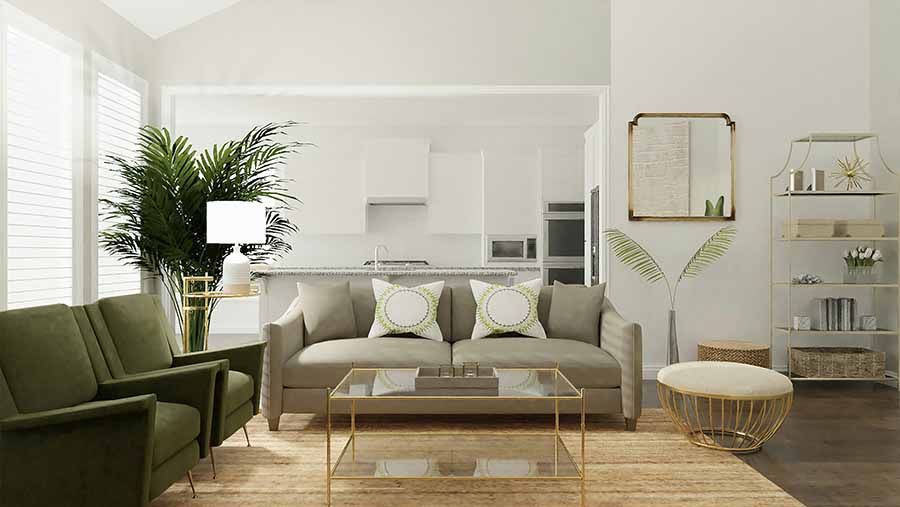
7 Paint Colours That Could Increase the Value of Your Home
When it comes to selling a home, first impressions matter. A fresh coat of paint can do more than just make your space look clean and updated—it can also positively impact your home’s perceived value. Choosing the right color is crucial; the wrong shade could turn potential buyers away, while the perfect hue can make your home feel inviting, spacious, and modern. Here are seven paint colors that have been shown to enhance home value and appeal.
1. Soft Gray
Gray continues to be one of the most popular paint colors for modern homes. Soft gray tones create a neutral backdrop that complements virtually any furniture or décor style. It adds a touch of sophistication without feeling cold, making it appealing to a broad range of buyers. Lighter shades of gray can also make rooms feel larger and brighter.
2. Warm Beige
Beige has long been a staple in home design because of its versatility and warmth. A warm beige can evoke a sense of comfort and coziness, making living spaces feel inviting. It pairs well with wooden flooring, natural accents, and traditional furnishings, making it a safe yet elegant choice.
3. Classic White
White is timeless, clean, and incredibly versatile. It can make rooms feel spacious and airy, which is especially appealing for smaller homes. Classic white walls also provide a blank canvas for buyers to imagine their own style and décor. Off-white or creamy variations can add warmth while keeping the space feeling fresh.
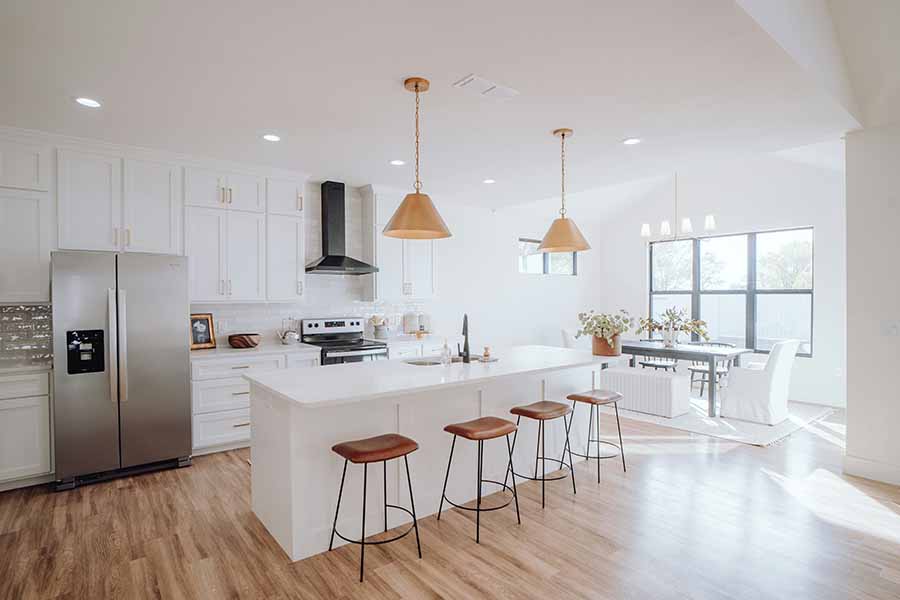
4. Navy Blue
While darker colors are often intimidating for some, navy blue has emerged as a popular accent color for creating a sense of luxury and depth. It works beautifully on feature walls, doors, or cabinetry. Navy blue conveys elegance and confidence, and when paired with crisp whites or gold accents, it can add a high-end feel to your home.
5. Soft Greige
A blend of gray and beige, greige has become a modern neutral favorite. It offers the best of both worlds: the warmth of beige and the sleek sophistication of gray. Greige works in virtually any room and complements a wide range of design styles, from contemporary to traditional, increasing buyer appeal.
6. Light Blue
Soft blue shades create a calm and tranquil atmosphere, making them ideal for bedrooms and bathrooms. Light blue evokes serenity and cleanliness, qualities buyers often look for in relaxing spaces. Pair it with white trim or natural wood tones for a balanced, appealing look.
7. Earthy Greens
Muted greens, such as sage or olive, are increasingly popular in modern home design. These shades evoke a sense of nature and harmony, creating a refreshing and peaceful environment. Earthy greens pair well with neutral tones and natural textures, making your home feel grounded and stylish.
Tips for Using Color to Boost Home Value
- Stick to neutral or universally appealing tones if your goal is resale value. Bold colors may appeal to you but can alienate some buyers.
- Focus on common living areas like living rooms, kitchens, and exteriors for maximum impact.
- Use accent walls or subtle variations of popular colors to add personality without overwhelming potential buyers.
Choosing the right paint colors is a cost-effective way to refresh your home and make it more attractive to buyers. With soft grays, warm beiges, crisp whites, and the other tones listed here, you can enhance both the aesthetic appeal and the value of your property.
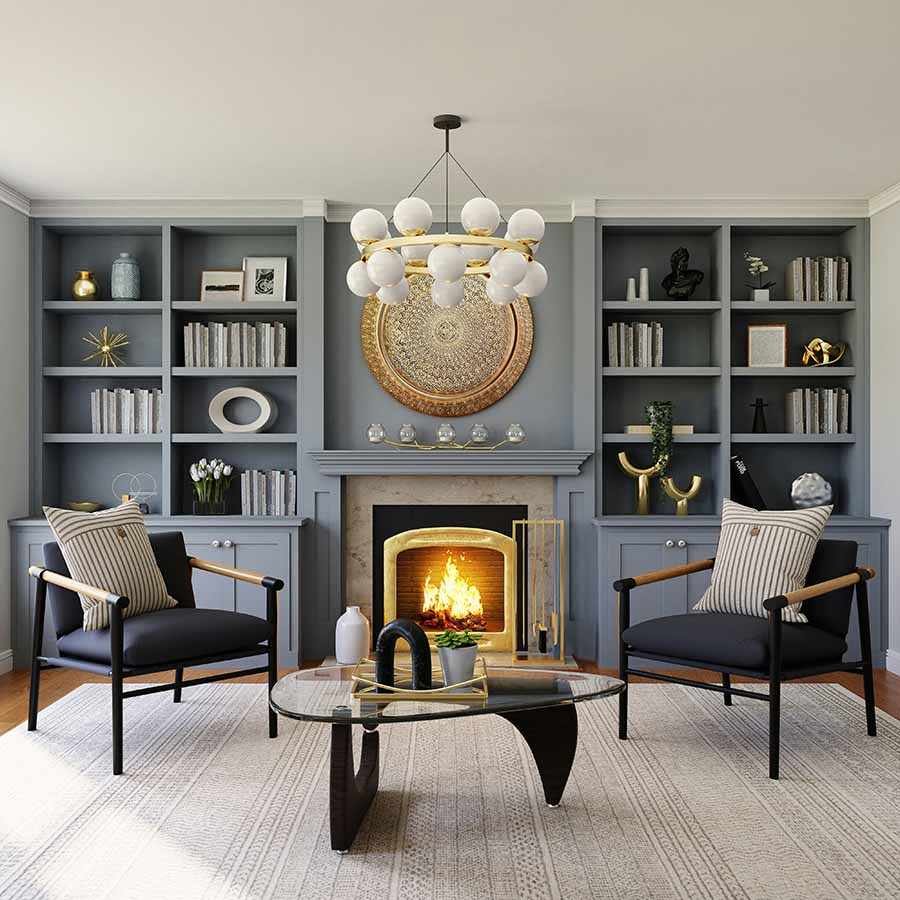
5 Things to Know Before Hiring an Online Interior Designer for Your Home
With the rise of digital solutions, hiring an online interior designer has become a convenient option for homeowners looking to transform their spaces without the hassle of traditional in-person consultations. But before you click “hire,” there are some important considerations to keep in mind. Here are five things you should know before working with an online interior designer.
1. Understand the Design Process
Online interior design differs from traditional methods. Typically, it involves virtual consultations, mood boards, 3D renderings, and digital floor plans. Before hiring, make sure you understand how the designer works, the tools they use, and the communication process. Knowing what to expect will help you avoid misunderstandings and ensure your project runs smoothly.
2. Check Their Portfolio and Style
Every designer has a unique aesthetic. Before hiring, review their past projects and portfolio. Ensure their style aligns with your vision. Some designers specialize in modern minimalism, while others may focus on bohemian or eclectic looks. Clear alignment in style can save time and reduce frustration later.
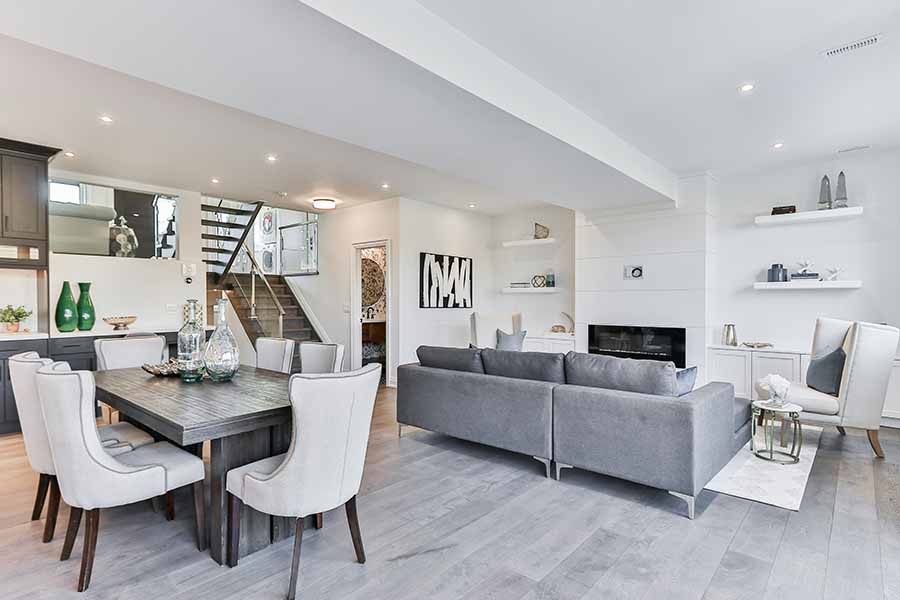
3. Clarify Costs and Packages
Online interior design services often offer different pricing models, including per-room rates, full-home packages, or hourly consultations. Ask for a detailed breakdown of costs upfront to avoid surprises. Make sure you understand what is included in the package, like furniture sourcing, layout plans, or unlimited revisions, and what might incur extra charges.
4. Assess Communication and Availability
Since your interactions will mostly be virtual, communication is key. Ask how often the designer will update you, the platforms they use (email, video calls, or chat apps), and their response time. Clear and consistent communication ensures that your ideas are heard, and adjustments can be made efficiently.
5. Know the Limitations
While online interior design offers convenience and flexibility, there are limitations. Designers can’t physically measure your space or see textures and colors in person. Be prepared for some back-and-forth, and consider taking precise measurements and photos of your home to provide accurate information. Understanding these limitations upfront will help manage expectations.
Hiring an online interior designer can be a game-changer for transforming your home efficiently and creatively. By knowing the process, checking style alignment, clarifying costs, ensuring smooth communication, and understanding limitations, you can make an informed decision that results in a space you love.